Spider Mites
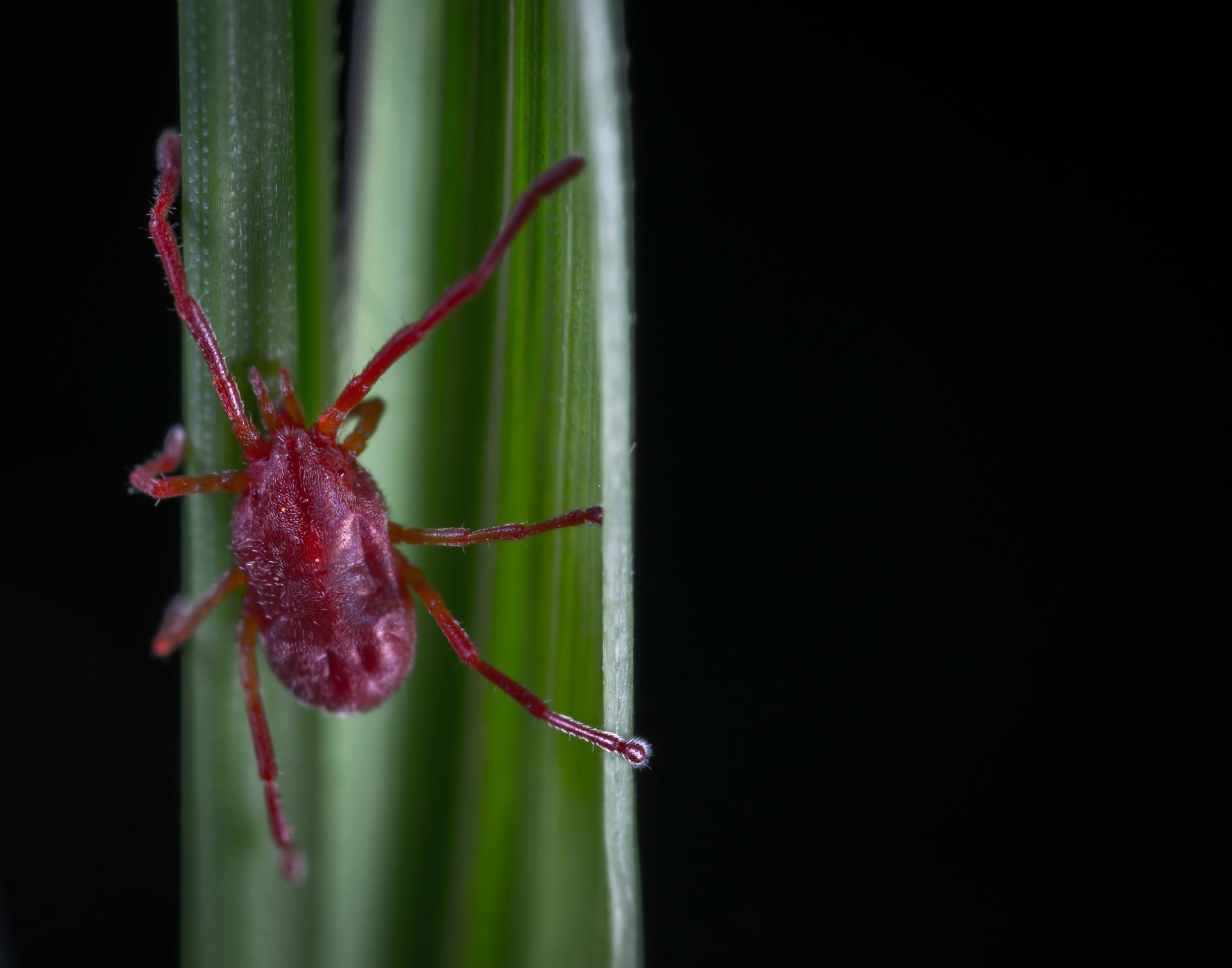
What are spider mites?
Spider mites are tiny creatures that love to feast on plants. These members of the arachnid family are especially fond of tropical plants, but they'll eat just about anything they can get their little mouths on. You'll know you have spider mites if you see small, brownish spots on your plants. And if you look closely, you'll see that the spots are moving. That's because spider mites are very small – so small that they're hard to see with the naked eye. But don't let their size fool you – these little buggers can do a lot of damage to your plants. They are most commonly found in warm, dry environments, and they can reproduce very quickly. A single female mite can lay up to 20 eggs per day, and a single mite can produce hundreds of offspring in just a few weeks. As a result, spider mite infestations can escalate very rapidly. If you have spider mites, you'll need to take action quickly to get rid of them. Otherwise, they'll soon decimate your plant collection. These true pests are best handled by a professional, and Bigfoot has been dealing with them for years. Get an instant quote right here, and Bigfoot will be on his way stomp these buggers out!

Are spider mites dangerous?
Many people are afraid of spiders, and for good reason. They can be dangerous, and their bites can be painful. But what about spider mites? Are they dangerous? That's a question that us pest control professionals get all the time. And the answer is: it depends on what type of earthly creature you are. Are spider mites dangerous to Bigfoot? Psh. Yeah right. To humans? Still no. What about animals? Another nope. But when you start getting into the Plant Kingdom, spider mites can be an existential threat 😱. Some spider mites are more dangerous than others, but they all pose a serious threat to your plants if they're not controlled.
In severe infestations, spider mites can cause leaves to turn yellow and drop off. They can also produce webbing that can interfere with the movement of bees and other pollinators. If you can't get a spider mite problem in check, you run the risk of changing the surrounding plant ecosystem.
Because they are so tiny, it's very hard to get them all without the proper treatment products. They are also tenacious little creatures and they will likely come back unless you take steps to prevent them from returning.
If you've got spider mites in the Boise area, and you've resorted to reading this, it's time to call in the big feet to squash these tiny little invaders once and for all.
Why do I have a spider mite problem?
There are a few likely reasons. First, spider mites thrive in warm, dry conditions, so if your home is heated during the winter, it can create an ideal environment for them to survive and reproduce. Second, spider mites are often brought into homes on infested plants or cut flowers. Third, they are so difficult to see, that most people don't know they're there until the damage has begun. Finally, once spider mites get established in a home, they can be difficult to eradicate because they reproduce so quickly.
So, why do you have a spider mite problem? The answer may be simple: because they're just really darn good at being pests! But understanding the reasons behind an infestation can help you take steps to prevent future problems.
If you think you have a spider mite problem, it's important to contact a pest control professional as soon as possible to prevent serious damage to your plants. Give Bigfoot a call and be done with spider mites for good.
Where will I find spider mites?
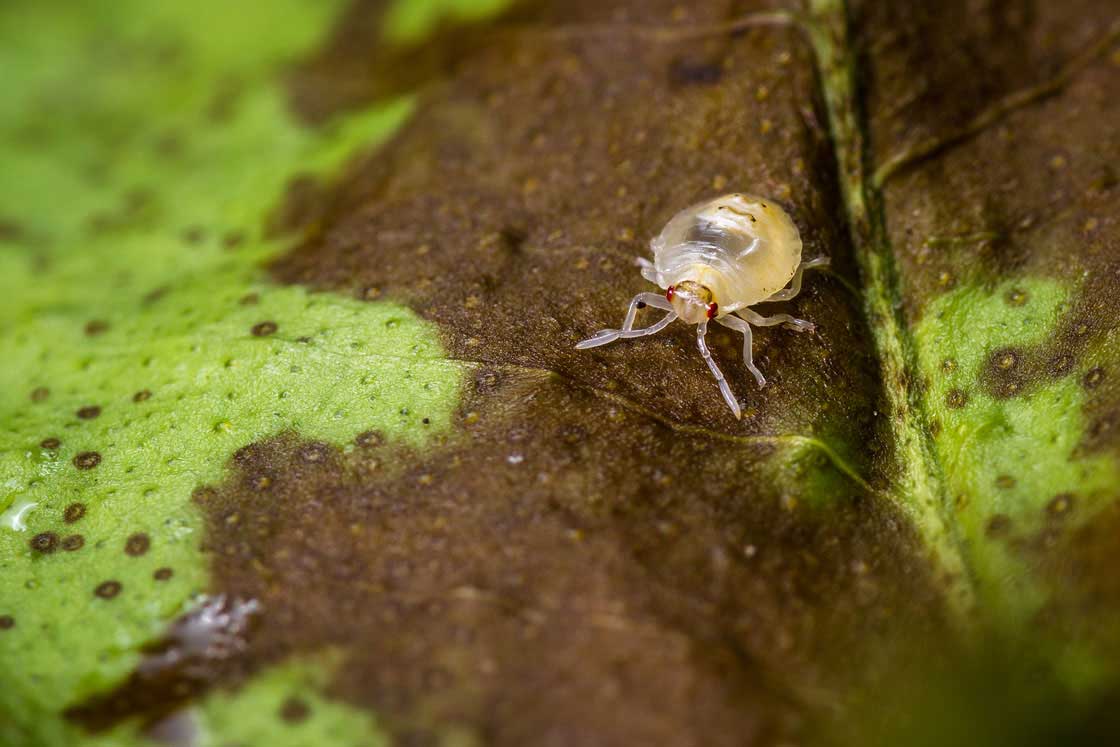
As you should know by now, spider mites love to feast on plants, and they always live nearby, if not on the leaves themselves. Spider mites are most commonly found in warm, dry environments - which is why they love to sneak into your home during summer months, laying eggs so that their babies will have a warm place to live when the weather cools down. Outside, spider mites typically live in trees or shrubs, but if you've got a nice, lush garden in your yard, these lil rascals will not hesitate to set up camp on your crops. Oh, and for you flower lovers who thought you were safe? Nope. Spider mites love every part of flowers.
So yeah, these guys are kinda everywhere – or at least everywhere you don't want them to be.
How do I get rid of spider mites?
Fortunately, there are a few things you can do to get rid of spider mites. One option is to use pest control products that contain pyrethrins or neem oil. These substances will kill the mites and help to prevent them from coming back. Another option is to physically remove the mites from your plants. This can be done by vacuuming them up or using a magnifying glass to inspect your plants and remove the mites manually. Finally, you can also try cultural control methods such as keeping your plants well-watered and maintaining a clean growing environment. If you can't seem to shake the problem, or you just want it done right the first time before any more damage is done, give Bigfoot a call.
How can I prevent spider mites in the future?
These tiny pests can wreak havoc on your yard, garden, and houseplants, and they're notoriously difficult to get rid of once they've taken up residence. Prevention is always the best method of control, so make sure to keep an eye out for signs of infestation and take action as soon as possible if you spot them. Luckily, there are a few things you can do to prevent spider mites from getting into your yard in the first place. First, make sure to keep your grass and plants trimmed and tidy. Overgrown areas provide the perfect hiding spot for spider mites, so trimming back your foliage will help deter them from taking up residence in your yard. Second, invest in some pest control measures such as insecticidal soap or neem oil. These products will help to keep spider mites (and other pests) at bay. Finally, be sure to inspect any new plants before bringing them into your home or garden. Spider mites are often hitchhikers, so checking for them before adding new plants to your collection is essential. By following these simple tips, you can help prevent spider mites from taking over your yard - and your life!
FAQ
Picking the right pest control provider for your home isn't a decision you should make all willy nilly. We are confident that we provide the best service for the best value in the game, and we want you to feel that confidence as well. These are some of the most common questions we hear from new customers.
If you have any questions that aren't answered here, you can contact us through the form below, or by clicking the chat bubble in the bottom right.

Absolutely! Our word is our bond, so when we say we'll get rid of your pest problems, we are dead serious about that. If you see bugs between quarterly treatments, don't hesitate to text, call, or email our office so we can get a technician out to you ASAP.
If you see increased activity after a treatment, that usually means the bugs are freaking out because they know the end is nigh. The products we use have been scientifically designed for the long game. They don't kill on contact, they kill by sticking to bugs and letting them do the dirty work for us. Pests carry the insecticide back to the nest and spread it to the others, effectively wiping out the community, instead of individual bugs.
Our top-notch products usually take about two weeks to reach maximum effectiveness. If you have any concerns before or after that two week period, don't hesitate to text, call, or email our office so we can get a technician to your home to check on things.
Hate to break it to you, but that little can of Raid isn't going to cut it. You might kill a wasp or spider here and there, but there's a much bigger picture that you can't understand if you're not trained in the ways of the pest. As a matter of fact, if you kill a few pests, the hive can begin to sense that they are under attack and actually go into baby-making overdrive to offset the onslaught. That's why the products we use take time to spread. By the time the pests notice something is wrong, it's too late. Pest control is based on years of science, testing, and experimentation with products and application methods 1000x more advanced than the can of bug spray you got at Home Depot.
Unfortunately, bugs have a few million extra years of evolutionary survival skills on us, which makes them tricky little... buggers. It's impossible to kill every last bug, or prevent a single one from coming back. That's why we advocate for quarterly pest treatment: it's simply the best way to be bug-free in the long term. Bugs can still scurry, crawl, or fly into your home at any time, and that's why we offer free re-services between treatments. If the bugs come back, so do we.
We'll play it by eye, but it's typically unnecessary. 99% of the battle against pests is fought and won outdoors. We hit them hard at the source (outside), then create and maintain a barrier around your home to keep these pesky suckers out of your humble abode. Most of the time, only one of four yearly services will require indoor treatment, but we will always treat indoors if you see pest activity, or if you just want some extra peace of mind. We're not afraid to go the extra mile –anytime, anywhere.
Of course! We get it, pesticides have a bad rap and sound kind scary. You're trying to protect your family, so it would really suck if our products were more dangerous than the pests we're obliterating with them. Have no fear, the pesticides we use are Environmental Protection Agency (EPA) approved, meaning they've been through a ton of rigorous tests to ensure they are safe for humans and animals alike. But we don't stop there, all of our technicians are highly trained and certified when it comes to the products and methods of application.
In our decades of experience, we've learned that one-time services end up being ineffective in the long run, and we don't want to mess with things that don't make your home a happier and safer place. Quarterly service allows us to maintain our Level Five barrier around your home, ensuring that these stupid bugs don't ever make it to the warmth and safety of the indoors of your home.
Long story short, it's (usually) a waste of your money and our time. Bugs are always active, but considerably less active in the winter months, and almost totally inactive outdoors. Don't worry though, we won't leave you hanging. If you notice a pest problem crop up inside your house from December–February, we'll be there to lay the smack down before you can say, "Jiminy Christmas!"
Contact us
If you have any questions about what's included in the services we offer, don't hesitate to reach out!